


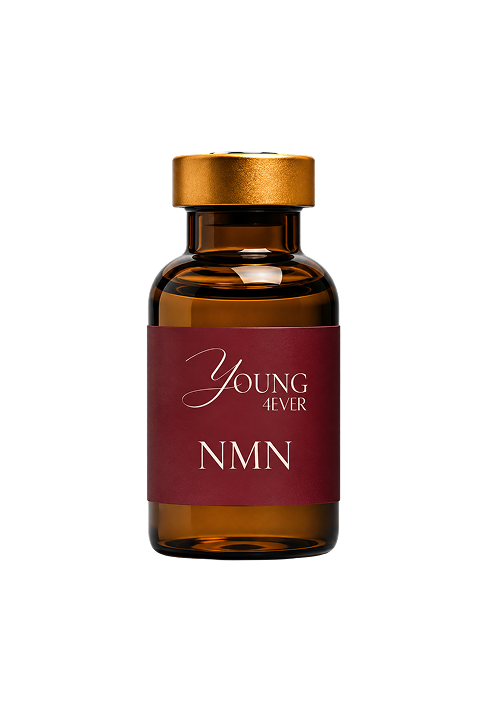
Description
From NMN to NAD+
Nicotinamide Mononucleotide occurs naturally in the body and serves as a building block for NAD+.
After entering cells, NMN is converted through a short biochemical pathway into the active coenzyme.
NAD+ is required in every living cell. Its concentration, however, can decline with age, chronic stress, sleep disruption, inflammation, and high metabolic demand.
When less NAD+ is available, cellular energy and repair processes may become less efficient.
NMN helps replenish the raw material the body uses to restore this essential molecule.
Cellular Energy Starts Inside the Mitochondria
Mitochondria convert nutrients into ATP, the form of energy that powers muscle contraction, brain activity, circulation, and tissue repair.
NAD+ carries electrons through this process and helps the mitochondria transform food into usable cellular energy.
Without sufficient NAD+, energy production cannot proceed efficiently.
By increasing NAD+ availability, NMN supports mitochondrial performance and may contribute to more stable energy throughout the day.
This is metabolic support rather than nervous-system stimulation, so the focus is on cellular efficiency instead of a temporary energy spike.
NMN and the Body’s Repair Systems
Every day, DNA is exposed to oxidative stress, ultraviolet light, environmental factors, and the natural by-products of metabolism.
Cells rely on specialized enzymes to identify and repair this damage.
Many of these enzymes consume NAD+ while working.
NMN supports NAD+-dependent repair activity, helping cells maintain genetic stability and recover from everyday stress.
This connection between energy and repair is important: a cell needs both sufficient fuel and functional maintenance systems to remain resilient over time.
Sirtuins and Cellular Longevity
Sirtuins are a family of proteins involved in metabolism, stress adaptation, inflammation, and longevity-related cellular signaling.
Their activity depends on NAD+.
When NAD+ levels decline, sirtuin activity may also decrease.
NMN supports this pathway by providing the precursor needed to rebuild NAD+ reserves.
Through this mechanism, NMN contributes to cellular resilience, balanced metabolism, and the body’s ability to adapt to age-related changes.
Metabolic Flexibility and Glucose Utilization
Metabolism must constantly adjust to periods of eating, fasting, movement, and rest.
This requires efficient communication between the liver, muscles, fat tissue, and nervous system.
NMN supports the cellular reactions involved in glucose processing and insulin signaling.
Better NAD+ availability may help cells respond more effectively to metabolic demands and use nutrients for energy rather than allowing them to remain unused in the bloodstream.
This makes NMN relevant to programs focused on metabolic balance, body composition, and sustained vitality.
Brain Energy and Mental Performance
The brain requires a continuous supply of energy.
Even small changes in mitochondrial efficiency can influence concentration, memory, mental clarity, and resistance to cognitive fatigue.
NMN supports the energy-producing pathways used by neurons.
It also contributes to cellular protection and normal circulation, two factors closely connected with long-term brain function.
The result is a comprehensive approach to cognitive wellness that begins with cellular metabolism.
Circadian Rhythm and Everyday Vitality
NAD+ levels naturally rise and fall over a 24-hour cycle.
This rhythm interacts with the biological clock that regulates sleep, wakefulness, hormone release, and energy metabolism.
Irregular sleep, frequent travel, and nighttime work can disrupt this coordination.
By supporting NAD+ availability, NMN helps maintain the connection between cellular energy and circadian regulation.
A more balanced internal rhythm can contribute to better daytime energy and more effective overnight recovery.

Reviews
There are no reviews yet.