NMN and Its Role in Metabolic Function
What Is NMN and How Does It Work?
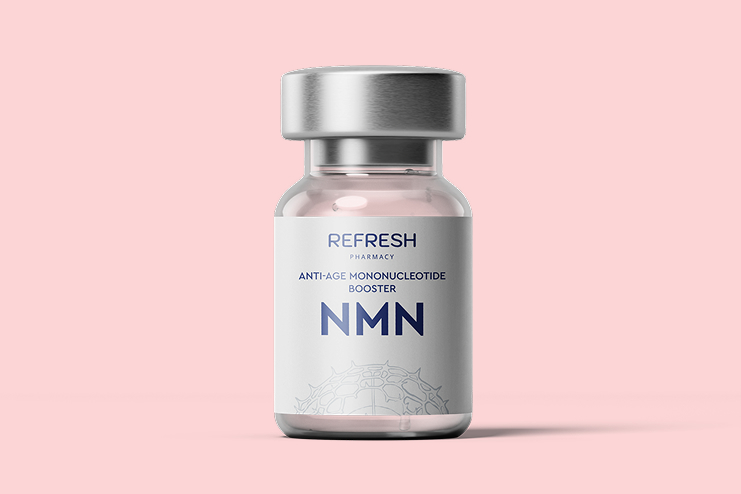
Nicotinamide mononucleotide is being studied for its involvement in cellular energy metabolism, mitochondrial activity, and natural mechanisms of cell maintenance. At the same time, it is important to distinguish scientific research from established clinical effects: claims regarding a pronounced anti-aging effect of NMN are still being investigated.Understanding NMN and Its Biological Function
To understand why NMN has attracted attention in modern preventive medicine, it is useful to look at its role within cellular metabolism. NMN is a compound associated with vitamin B3 metabolism and serves as an intermediate in the biochemical pathway leading to NAD+ (nicotinamide adenine dinucleotide). NAD+ is an essential coenzyme involved in a wide range of reactions inside the body. It helps cells process nutrients and convert them into energy while also participating in enzymatic pathways associated with cellular maintenance, metabolic regulation, and adaptation to physiological stress. For this reason, NMN is commonly described as a precursor of NAD+. Increasing the availability of NMN may influence NAD+ metabolism and intracellular NAD+ levels, although the actual response can vary depending on age, metabolic status, tissue type, and other individual factors. Research is ongoing to determine the clinical significance of these effects.What Role Does NAD+ Play in the Body?
NAD+ is present throughout the body and is required for numerous biochemical processes. Its functions are associated with several important areas of cellular activity, including:- energy production and cellular respiration;
- metabolism of carbohydrates, fats, and other nutrients;
- normal mitochondrial function;
- enzymatic processes involved in DNA repair;
- activity of sirtuins and other regulatory proteins;
- cellular responses to oxidative stress;
- regulation of certain inflammatory pathways;
- normal function of muscle and nerve cells;
- mechanisms involved in cellular aging.
NMN and Other NAD+ Precursors
The body has several biochemical pathways that contribute to maintaining its NAD+ pool. Different compounds can participate in these pathways, including nicotinamide, nicotinic acid, and nicotinamide riboside. NMN occupies an intermediate position within one of the pathways involved in NAD+ biosynthesis. However, it would be inaccurate to assume that NMN is always converted into NAD+ more rapidly or efficiently than every other precursor. The rate and efficiency of NAD+ production depend on cellular metabolism, tissue-specific processes, age, and other physiological factors. NMN can also be found naturally in certain foods. Small amounts or related compounds are present in foods such as broccoli, avocado, and other plant-based products. However, the quantity obtained from a typical diet is relatively limited.Potential Effects of NMN: What Is Currently Being Studied?
Scientific interest in nicotinamide mononucleotide has grown largely because of research into age-related changes in metabolism. NMN is being investigated for its possible role in supporting cellular energy production, mitochondrial function, and other physiological processes. It is important to distinguish preliminary findings from established clinical benefits. Results obtained in animal studies cannot automatically be applied to humans, while human research remains ongoing and the available evidence varies depending on the specific area being studied.NMN and Muscle Function
Age-related changes can gradually affect muscle mass, strength, and physical performance. These alterations tend to become more pronounced later in life. Some clinical studies have assessed whether NMN supplementation may influence functional indicators such as walking speed and grip strength. Certain findings suggest possible improvements in specific measures, but current evidence is not sufficient to consider NMN a proven treatment for preventing age-related muscle loss.NMN and Insulin Sensitivity
Another area of scientific interest is the potential relationship between NMN and glucose metabolism, particularly insulin sensitivity in skeletal muscle. In one clinical study involving women with overweight and prediabetes, several weeks of NMN supplementation were associated with changes in certain measures of muscle insulin sensitivity. These findings do not mean that NMN can independently normalize blood glucose or replace established approaches to managing metabolic disorders. A proper assessment of metabolic health should include appropriate laboratory testing and an individualized medical evaluation.NMN and Cognitive Function
The aging process can be accompanied by changes in the nervous system and cognitive performance. Vascular health, oxidative stress, inflammatory pathways, sleep quality, and metabolic factors may all influence brain function. Animal studies have explored whether increasing NAD+ availability could affect certain mechanisms involved in nervous tissue function. These findings have contributed to continued interest in NMN as a potential area of research. However, evidence from human studies is currently insufficient to conclude that NMN significantly improves memory, concentration, or other cognitive abilities. Its potential nootropic effects therefore require further investigation.NMN and Weight Management
Changes in metabolism, reduced physical activity, and age-related hormonal shifts can make maintaining a healthy body weight more challenging over time. Preclinical research has examined NMN in relation to energy metabolism, mitochondrial activity, and fat accumulation. Some animal studies have produced promising observations, but the clinical effectiveness of NMN specifically for weight loss has not yet been established conclusively. For this reason, NMN should not be viewed as a standalone weight-loss solution. Effective weight management remains based on an appropriate diet, regular physical activity, adequate sleep, and the management of any identified metabolic conditions.NMN and Age-Related Changes
The potential connection between NMN and healthy aging is one of the main reasons for its growing popularity in the anti-age field. As the body ages, changes can occur in cellular energy metabolism, while NAD+ availability may decline in certain tissues. Because NAD+ is involved in mitochondrial activity, cellular energy production, and the function of numerous enzymes, researchers are investigating whether its metabolic pathway can be influenced through precursors such as NMN. The phrase “extending youth,” however, should not be interpreted as an established clinical effect of NMN. Much of the research examining lifespan and aging mechanisms has been conducted in animals, and these findings cannot be directly extrapolated to humans. Some human studies have reported changes in selected metabolic parameters and subjective measures of well-being. Nevertheless, larger and longer-term clinical trials are needed to determine the actual significance of NMN for healthy aging.NMN in Modern Preventive and Anti-Age Medicine
Nicotinamide mononucleotide remains an actively researched compound associated with NAD+ metabolism. Its potential relevance is being evaluated in areas including cellular energy production, mitochondrial function, metabolic health, and age-related physiological changes. The decision to include NMN in an individual wellness or anti-age program should not be based solely on age or a desire to slow the aging process. Nutrition, physical activity, sleep, lifestyle, and objective health markers all need to be considered when evaluating metabolic and preventive strategies. Before using NMN or other metabolic supplements, it is advisable to discuss their suitability with a qualified healthcare professional. An individual assessment can help identify relevant health factors, potential contraindications, and other considerations that may influence the choice of a personalized program. The information presented in this article is for educational purposes only and does not constitute medical advice. It should not be used for self-diagnosis, treatment decisions, or as a substitute for consultation with a qualified medical professional.