


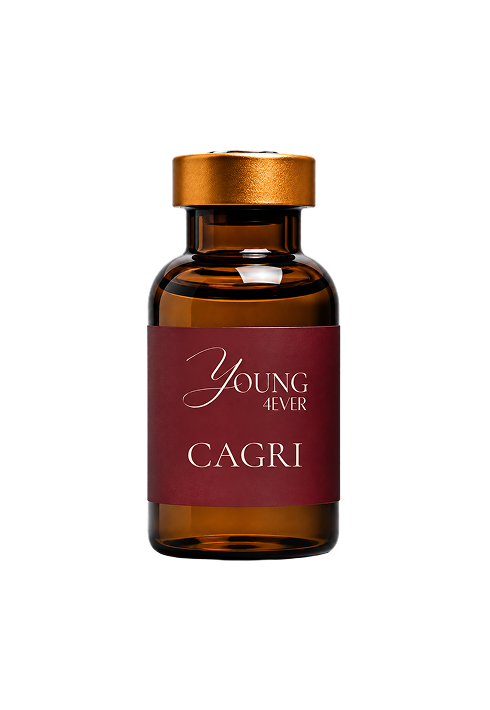
Description
Amylin Signaling and Appetite Regulation
Amylin is a natural hormone released by pancreatic beta cells together with insulin after a meal. It helps the body recognize that nutrients have arrived and contributes to the signals that bring eating to an appropriate end.
Cagrilintide reproduces this physiological function with a longer duration of action. By activating amylin receptors, it strengthens communication between the digestive system and brain regions responsible for appetite, satiety, and eating behavior.
A Stronger Sense of Fullness After Meals
Appetite is influenced not only by an empty stomach but also by hormonal signals that tell the brain whether enough energy has been consumed. When satiety signals are weak, a person may continue eating beyond physical need or feel hungry again shortly after a meal.
Cagrilintide helps reinforce these signals, allowing fullness to develop more clearly and remain noticeable for longer. This may make smaller portions easier to maintain without the same sense of deprivation associated with strict calorie restriction.
Slower Gastric Emptying and Prolonged Satiety
Cagrilintide slows the movement of food from the stomach into the small intestine. A more gradual digestive pace can extend post-meal fullness and reduce the rapid return of hunger.
This effect also influences how quickly nutrients enter the bloodstream. More gradual absorption may support a steadier metabolic response after eating and help reduce the appetite fluctuations that can lead to repetitive snacking.
Cagrilintide for Cravings and Food Noise
Food cravings may occur even when the body has consumed enough calories. Stress, habitual eating, irregular meals, and the reward value of highly palatable foods can all create a persistent mental focus on eating.
By strengthening central satiety pathways, Cagrilintide may reduce the frequency and intensity of these signals. Less food noise can make it easier to follow planned meals, stop eating when satisfied, and make choices based on nutritional goals rather than immediate impulses.
Glucagon Regulation After Eating
Amylin helps regulate glucagon, a hormone that signals the liver to release stored glucose. After a meal, excessive glucagon activity can work against the body’s efforts to manage incoming nutrients efficiently.
Cagrilintide supports a more appropriate post-meal glucagon response. This complements its effects on gastric emptying and satiety, connecting appetite control with broader metabolic regulation.
Progressive Weight Management
Cagrilintide supports weight reduction by helping decrease overall calorie intake in a manageable way. When portions become smaller and hunger remains controlled for longer, maintaining a consistent calorie deficit may require less daily effort.
The effect develops progressively as eating patterns change and the body adapts to a lower energy intake. Balanced nutrition remains important because reduced appetite should not result in insufficient protein, vitamins, minerals, or hydration.
Body Composition and Lean Mass Preservation
Weight loss can include both adipose tissue and muscle. Preserving lean mass is essential for strength, mobility, metabolic activity, and the quality of the final body-composition result.
Cagrilintide works best within a program that includes adequate protein intake and resistance exercise. Appetite regulation supports the calorie deficit, while nutrition and training help maintain muscle and direct the process toward a more favorable reduction in body fat.

Reviews
There are no reviews yet.