


Description
The Connection Between NMN and NAD+
Nicotinamide mononucleotide is an intermediate molecule in the body’s NAD+ biosynthesis pathway. After NMN enters cellular metabolism, it can be converted into NAD+ and used in a wide range of enzymatic reactions.
NAD+ is present in virtually every cell and is required for converting carbohydrates, fats, and other nutrients into usable energy. It also acts as a substrate for enzymes involved in cellular repair, metabolic adaptation, stress response, and longevity-related signaling.
The availability of NAD+ may change with age and increased metabolic demand. For this reason, supporting NAD+ production through its precursor NMN has become an important area of interest in cellular wellness and age-management programs.
Turning Nutrients Into Cellular Energy
Cells cannot use food energy directly. Nutrients must first pass through a series of biochemical reactions that ultimately generate ATP, the primary form of usable cellular energy.
NAD+ participates in these reactions by accepting and transferring electrons. It is converted into NADH and then contributes to the mitochondrial electron transport chain, where much of the body’s ATP is produced.
By supplying a precursor required for NAD+ synthesis, NMN supports the metabolic foundation of energy production. This differs from caffeine and other stimulants, which temporarily increase alertness without directly participating in cellular energy metabolism.
Sirtuin Activity and Longevity Pathways
Sirtuins are a family of NAD+-dependent enzymes involved in metabolic regulation, mitochondrial function, cellular stress responses, and healthy aging. Because these enzymes require NAD+ to function, their activity is closely connected with cellular NAD+ availability.
NMN provides material for the body’s NAD+ biosynthesis pathway and may therefore support the cellular environment required for sirtuin activity. This connection has made NMN particularly relevant within longevity, metabolic optimization, and age-management programs.
Sirtuin signaling is not limited to one organ or tissue. It is involved in how cells respond to energy availability, oxidative stress, nutritional changes, and other physiological challenges that accumulate over time.
Key Advantages of NMN PEN
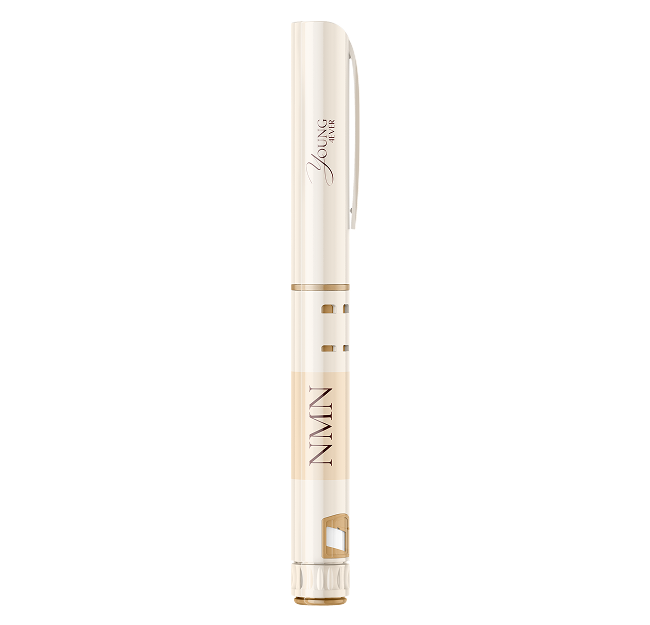
NMN PEN provides nicotinamide mononucleotide in a structured format designed to support NAD+ production and cellular metabolism. Its biological profile includes mitochondrial energy, redox balance, metabolic efficiency, repair pathways, and healthy aging.
The central advantage of NMN is its position upstream of NAD+. Instead of supplying temporary stimulation, it provides a precursor the body can use within its own NAD+ biosynthesis pathway.
NMN is therefore positioned for cellular energy support, improved recovery, cognitive performance, metabolic wellness, and longevity-focused care. It can complement nutrition, movement, sleep, and other strategies designed to maintain physical and mental resilience over time.


Reviews
There are no reviews yet.